Wondering what it is really like to live in Laramie, Wyoming? If you are thinking about moving here, you probably want more than a map and a few listing photos. You want to know how the city feels day to day, what kind of housing you will find, and whether the lifestyle fits you. This guide will walk you through the basics so you can get a clearer picture of life in Laramie. Let’s dive in.
Laramie at a glance
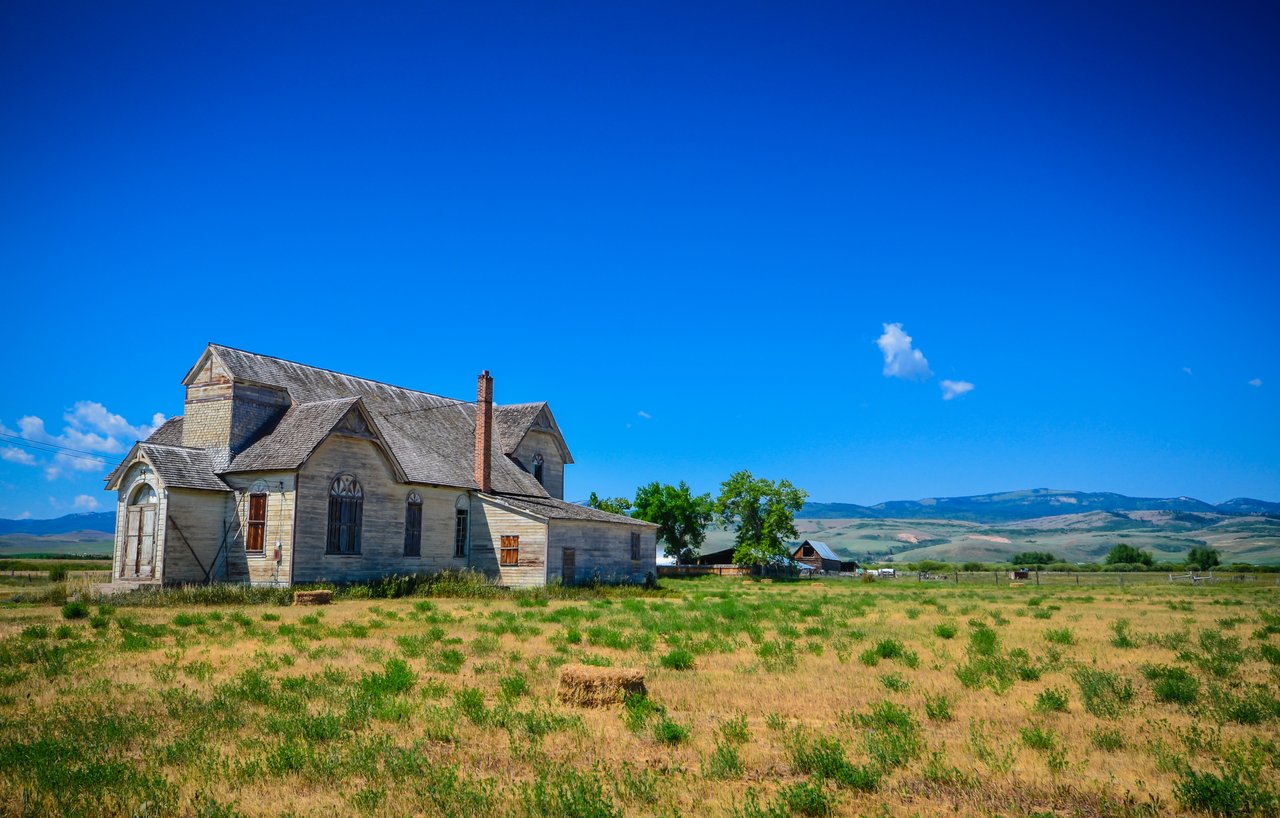
Laramie is a small Wyoming city with a college-town feel, a historic downtown, and easy access to outdoor recreation. The city had an estimated population of 32,957 in July 2024, which gives it enough size for everyday services while still feeling manageable and local.
The University of Wyoming plays a major role in the city’s identity. The university reports about 10,800 enrolled students, and that steady campus presence shapes local events, housing patterns, and the overall rhythm of town. Laramie also sits about 50 miles west of Cheyenne and 130 miles north of Denver, which makes it easier to stay connected to larger hubs while living in a smaller community.
One thing you notice quickly is the elevation. Laramie sits at about 7,220 feet above sea level, and that affects everything from weather to outdoor lifestyle. If you are relocating from a lower elevation, it is worth giving yourself time to adjust.
Everyday life in Laramie
Laramie tends to feel active without feeling rushed. The average commute is just 13.5 minutes, which means many residents spend less time driving and more time focused on work, school, errands, or recreation.
The city’s average household size is 2.07 people, and daily life reflects that smaller-scale pattern. You will find a mix of longtime residents, university students, faculty, and staff, which creates a routine that often centers around campus, downtown, and neighborhood amenities.
For many people, that means life here feels convenient. Running errands, getting across town, and meeting up for local events is usually fairly simple compared with larger metro areas. If you value a community where things are close by, Laramie stands out.
Downtown Laramie adds character
Downtown is one of the most recognizable parts of the city. Visit Laramie describes it as a historic district with restaurants, shopping, rail history, and the historic railroad depot, and that mix gives the area a distinct sense of place.
This is not just a part of town you visit once in a while. Downtown is tied into everyday living through local businesses, community events, and seasonal activities. It helps give Laramie a stronger local identity than you might expect from a city of its size.
Laramie also has a steady event calendar. Seasonal offerings include a Friday farmers market from June through September, another summer market at the Albany County Fairgrounds, and recurring arts and cultural events downtown. If you like a town where there is usually something going on without constant big-city noise, that balance may appeal to you.
Parks, trails, and outdoor access
Outdoor living is a real part of life in Laramie. The city parks department reports more than a dozen city parks, along with amenities that include a stocked fishing pond, skateboard park, splash pad, wading pool, jogging and biking paths, picnic shelters, and playgrounds.
The local trail network adds another layer to daily life. City planning documents highlight trail connections along the Laramie River and Spring Creek that link parks, neighborhoods, schools, downtown, and the University of Wyoming. That means outdoor access is built into the city itself, not just the surrounding landscape.
Beyond town, the access gets even broader. The USDA Forest Service says the Laramie Ranger District covers about 400,000 acres in the Medicine Bow and Laramie mountain ranges, including Pole Mountain and the Snowy Range recreation areas. Tie City Trailhead is less than 10 miles from Laramie, so hiking, biking, fishing, skiing, and weekend trips into public land can become part of your normal routine.
Weather and seasons in Laramie
If you are considering a move, the climate matters. Laramie has a true high-elevation climate, and the weather is a major part of what living here feels like.
According to climate normals from the Laramie Regional Airport station, January has an average maximum temperature of 33.3 degrees and a mean temperature of 21.7 degrees. July has a mean temperature of 64.0 degrees. The annual mean is 41.0 degrees, with about 10.92 inches of annual precipitation and 49.7 inches of annual snowfall.
In practical terms, you should expect a long cold season and a shorter warm season. For some people, that is part of the appeal. If you enjoy four distinct seasons, cooler summers, and quick access to winter recreation, Laramie may feel like a good fit.
Schools, healthcare, and local services
When you are evaluating a place to live, the basics matter. Laramie has core institutions that support daily life for long-term residents and newcomers alike.
Albany County School District #1 is based in Laramie. The district operates 12 schools and two public charter schools and serves roughly 3,280 students with nearly 800 educators. If schools are part of your home search, it helps to know the district is a major local institution with a citywide presence.
Healthcare access is another important part of local life. Ivinson Memorial Hospital is a 99-bed hospital in Laramie and has served the community since 1917. For a city of this size, having a long-established hospital in town is a meaningful part of day-to-day convenience.
Getting around town
Laramie is not a place where most people spend large parts of the day in traffic. The short average commute supports that, but there are also local transportation options that are useful for students, residents, and visitors.
UW Transportation offers SafeRide, a no-cost ride service within city limits during late-night and weekend hours. Fixed routes such as the Link and Evening shuttles connect campus, downtown, Walmart, and nearby stops. That can be especially helpful if you want alternatives to driving for certain trips.
For regional travel, the Laramie Regional Airport offers daily United service to Denver. If you travel for work, family, or relocation logistics, that option can make Laramie feel more connected than its size might suggest.
Housing in Laramie
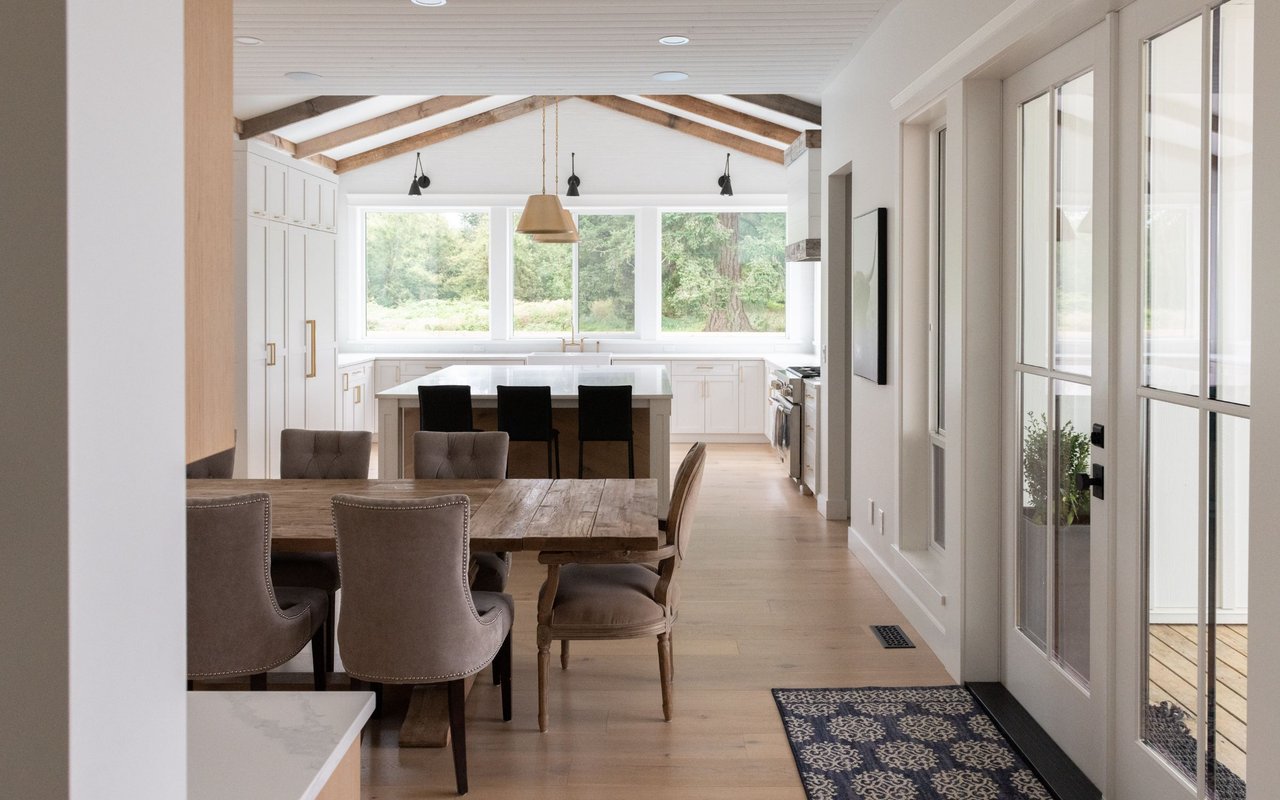
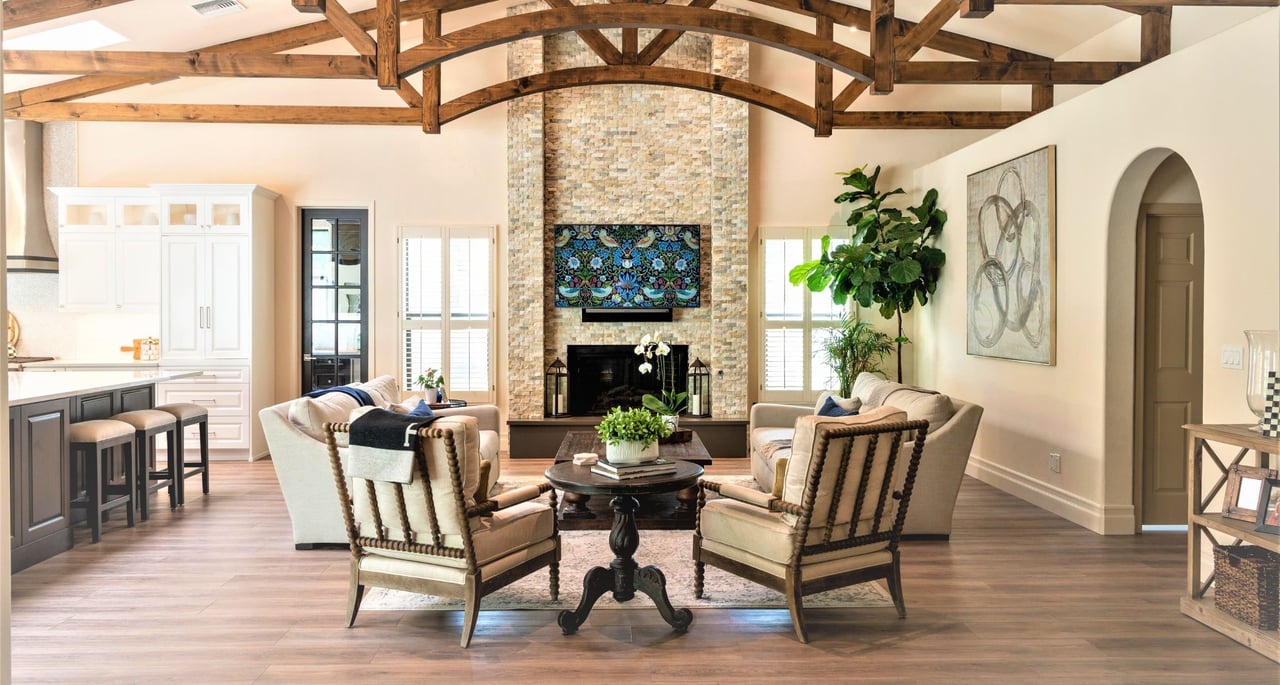
Housing in Laramie is varied enough that your experience can look very different depending on where and what you choose. This is not a market defined by one single home style or one type of buyer.
Census QuickFacts shows that 44.1% of occupied homes are owner-occupied, while median gross rent is $933. Combined with the university presence and the smaller average household size, that points to a market with both rental demand and owner-occupied neighborhoods.
The city is also working on housing attainability in single-family residential zoning districts, while broader planning efforts discuss adding needed housing and protecting open space and active agricultural operations. In real life, that often translates to a mix of university-adjacent rentals, established neighborhoods, and newer single-family areas.
If you are comparing costs with other Wyoming communities, Laramie lands somewhere in the middle. The median owner-occupied home value in Laramie is $302,200. That is higher than Rawlins at $217,100 and lower than Cheyenne at $333,700.
Who tends to like living in Laramie
Laramie can appeal to several kinds of buyers and movers. If you want a city that feels smaller and easier to navigate, but still offers local services, events, and year-round activity, it may check a lot of boxes.
It can also work well for people connected to the University of Wyoming, whether you are moving for work, school, or a household transition tied to campus life. The university brings steady energy to the area and helps support a wider range of amenities than some towns of similar size.
For outdoor-minded buyers, the location is a major draw. The ability to reach parks, trails, and mountain recreation quickly is one of the biggest lifestyle advantages of living here.
How Laramie compares to nearby towns
If you are deciding between several southeast Wyoming communities, context helps. Laramie is larger than many nearby towns, but smaller than Cheyenne.
Cheyenne had an estimated population of 65,704 in 2024, which makes it the larger urban center in the region. Rawlins, by contrast, had 7,952 residents, and Wheatland had 3,588 people in the 2020 Census. Laramie sits between those places as a smaller city with a university and a broad set of everyday services.
Saratoga offers a different kind of comparison. The Town of Saratoga highlights its small-town atmosphere, hot springs, and strong recreation identity tied to the North Platte River and nearby mountains. Laramie, on the other hand, tends to feel more like a college-centered city with a broader service base and a different day-to-day rhythm.
What to keep in mind before moving
Laramie offers a lot, but it is smart to think about your own priorities before making a move. Climate, elevation, and housing style can all shape whether the city feels like the right fit for you.
If you want mild winters and a long summer, Laramie may feel challenging. If you want shorter commutes, historic character, access to public land, and a strong local identity, it may feel like a great match.
The best way to evaluate Laramie is to look at both lifestyle and housing together. A home that fits your budget matters, but so does the feel of the neighborhood, your access to daily services, and how you want to spend your time when you are not working.
If you are thinking about buying or selling in Laramie, having local guidance can make the process much easier. From comparing neighborhoods to understanding the local housing mix, Kelly Cooksey can help you make a move with more confidence.
FAQs
What is the population of Laramie, Wyoming?
- Laramie had an estimated population of 32,957 in July 2024.
What is the weather like in Laramie, Wyoming?
- Laramie has a high-elevation climate with cold winters, mild summers, about 49.7 inches of annual snowfall, and an annual mean temperature of 41.0 degrees.
What is housing like in Laramie, Wyoming?
- Laramie has a mixed housing market that includes rentals, established neighborhoods, and newer single-family areas, with a median owner-occupied home value of $302,200 and median gross rent of $933.
Is Laramie, Wyoming good for outdoor recreation?
- Laramie offers strong access to parks, local trails, and nearby public land, including the Medicine Bow and Laramie mountain ranges and recreation areas in the Snowy Range and Pole Mountain.
How far is Laramie from Cheyenne and Denver?
- The University of Wyoming reports that Laramie is about 50 miles west of Cheyenne and 130 miles north of Denver.